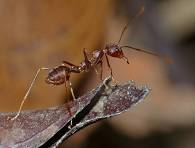
Ants are social insects of the Formicidae family,
Playing critical roles in nature’s design.
Known as ecosystem engineers worldwide,
They shape the environments where they reside.
They dig extensive tunnel networks deep,
Waking up the soil from its compacted sleep.
Allowing vital air and water to pass through,
Helping thirsty plant roots drink up the dew.
As they excavate and move the heavy clay,
They break up the earth along their busy way.
They bring organic debris down into the dark,
Leaving a fertile, nutrient-rich mark.
Many plants rely on a clever, hidden deed:
Myrmecochory, the moving of a seed.
Ants carry them underground, eager to consume
The fatty elaiosomes, leaving seeds to bloom.
By preying on small bugs that crawl and fly,
They keep insect populations from rising high.
Guarding plant communities with fierce intent,
Every hunting party is a shield well-spent.
A colony is split into three distinct groups:
Egg-laying queens leading dedicated troops,
Short-lived males, and the workers who explore,
To build, forage, and defend the nest’s door.
Four distinct stages make up their life cycle:
The egg, then a larva without any muscle,
A pupa resting safely inside a cocoon,
Until an adult emerges under the moon.
They rely on pheromones, a chemical sign,
To mark foraging trails in a steady line.
They signal food sources to sisters nearby,
Or warn of a danger that catches their eye.
An individual ant is a titan of strength,
Carrying heavy objects a remarkable length.
Lifting fifty times what their own bodies weigh,
Marching through the dirt without any delay.
The weight of all ants that live on the Earth
Is a staggering sum of incredible worth—
Greater than all wild birds and mammals combined,
The heaviest force of their size you will find.
Some leafcutter species grow gardens of mould,
Cultivating fungus in the dark and the cold.
While others herd aphids like sheep on the dew,
Harvesting sweet drops of their sugary honeydew.
